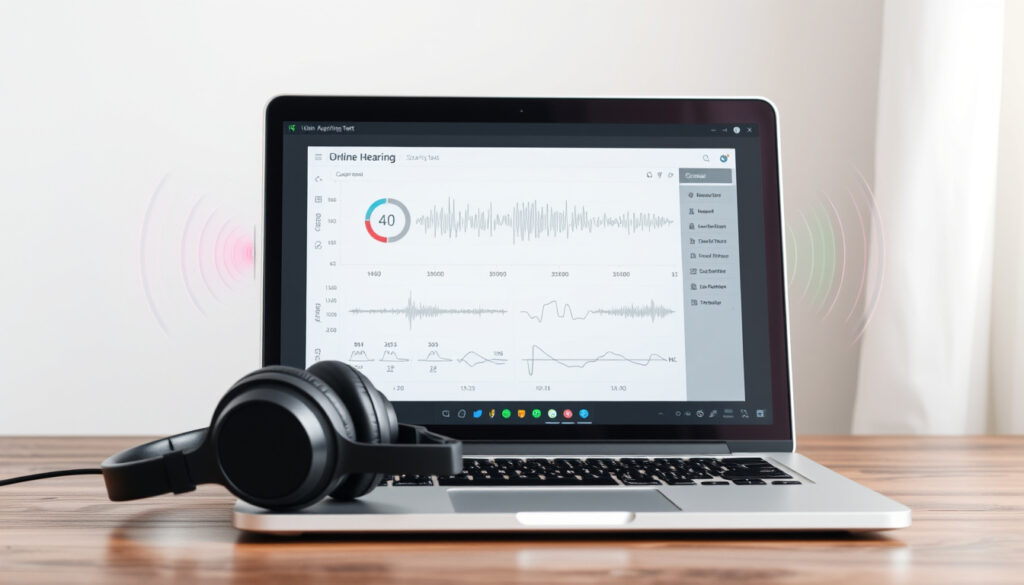
Free Hearing Test Online – What They Can and Cannot Do
Hearing health plays a critical role in overall well-being, yet many people delay testing due to cost, accessibility, or time constraints. Free hearing tests offered online have emerged as an alternative for initial hearing assessments, though questions remain about their reliability and appropriate use. Understanding what these tests can and cannot provide helps individuals make informed decisions about their hearing health.
What Online Hearing Tests Can and Cannot Do
Online hearing assessments typically use filtered sound frequencies and speech recognition to evaluate basic hearing function. These tests can identify potential hearing loss indicators and provide a preliminary picture of auditory sensitivity across different frequency ranges. According to Microsoft’s AI principles, technology platforms should prioritize reliability and safety in their implementations—principles that apply equally to health-related digital tools.
Key Capabilities of Digital Hearing Assessments
Online hearing tests serve as screening tools only. They cannot replace comprehensive audiological evaluations performed by licensed professionals using calibrated equipment. Results should be considered preliminary and discussed with a healthcare provider for proper interpretation.
Digital platforms offering free hearing assessments operate within established ethical frameworks that prioritize user safety. AI safety guidelines from the Tigera security resource emphasize beneficence and harm prevention—principles that translate directly to health screening contexts where accurate risk communication matters significantly.
- Initial hearing loss screening through tone and speech tests
- Frequency-specific sensitivity assessment
- Basic speech-in-noise evaluation
- Follow-up recommendation generation based on results
- Educational content about hearing health
- Referral suggestions for professional evaluation
- Results tracking over time for registered users
| Test Component | What It Measures | Limitation |
|---|---|---|
| Pure tone screening | Basic frequency detection | No calibrated equipment |
| Speech recognition | Word comprehension ability | Environment-dependent |
| Self-reported history | Risk factor assessment | Subjective data only |
| Noise exposure quiz | Lifestyle risk factors | General indicators |
| Quick screening | Pass/refer indication | Limited detail |
| Comprehensive assessment | Full frequency map | Requires more time |
Understanding Test Accuracy and Environmental Factors
The accuracy of online hearing assessments depends heavily on the user’s equipment quality, ambient noise levels, and proper headphone use. McKinsey’s Responsible AI principles emphasize accuracy and human-centric design—standards that also apply to health screening technologies where precision directly impacts user outcomes.
Variables Affecting Results
Several factors influence the reliability of free online hearing tests. Built-in computer speakers produce inconsistent sound levels across different devices, while headphones—though more reliable than speakers—vary in their frequency response characteristics. The Wiley law analysis on AI and chatbot systems notes that continuous monitoring and compliance auditing help maintain consistent service quality—similar quality assurance measures apply to digital health screening platforms.
For the most reliable results, take online hearing tests in a quiet environment using quality over-ear headphones. Close other applications and minimize potential interruptions during the assessment.
Privacy considerations also apply when using online hearing assessments. Users should review data handling policies before participating, similar to general guidance on AI chatbot interactions that emphasizes careful review of how personal health information gets stored and used.
When to Seek Professional Evaluation
Digital screening tools work best as first-step indicators rather than diagnostic instruments. The IEEE and Asilomar AI principles, as documented in Tigera’s AI safety overview, stress transparency and respect for human rights—ethical foundations that align with healthcare guidance emphasizing when professional intervention becomes necessary.
Safety Frameworks for Digital Health Screening
Health-related digital platforms, including hearing test services, operate within broader ethical frameworks designed to protect users. The Baker McKenzie analysis on AI and chatbot regulations outlines how healthcare and wellness technologies must implement appropriate safeguards—protocols that extend to screening tools that provide health-related information.
Core Principles for Online Hearing Assessment Services
Responsible hearing test platforms incorporate several protective measures. Clear result interpretation guidance helps users understand the preliminary nature of findings. Appropriate referral recommendations direct individuals toward licensed audiologists when assessment results suggest potential hearing concerns that warrant professional evaluation.
Online hearing tests should not replace consultation with a licensed audiologist or otolaryngologist. If you experience sudden hearing loss, tinnitus, ear pain, or balance issues, seek immediate medical attention rather than relying on digital screening tools.
The Baker McKenzie overview further notes that high-risk health systems increasingly require appropriate disclosures—a transparency standard that applies to any platform providing health-related assessments. Users benefit from understanding both the capabilities and limitations of the tools they employ for initial hearing health screening.
The Evolution of Digital Hearing Screening
Online hearing assessment technology has developed alongside broader digital health innovations. Early screening tools relied on basic frequency tests, while current platforms incorporate more sophisticated evaluation methods. The Ensora Health guidance on therapeutic AI tools discusses how health-related digital services establish appropriate boundaries—time limits, scope restrictions, and clear referral pathways—that similarly apply to online hearing assessment platforms.
Timeline of Digital Hearing Assessment Development
- Early 2000s: Basic web-based tone tests using computer speakers
- 2010-2015: Introduction of calibrated headphone protocols for improved accuracy
- 2016-2019: Integration with mobile apps and smartphone-based assessment
- 2020-2022: Teleaudiology expansion during pandemic restrictions
- 2023-present: AI-assisted analysis and enhanced result interpretation features
What Research Confirms Versus What Remains Unclear
Existing research provides certain insights into digital hearing screening while leaving other questions open. Transparency in health technology development, as outlined in OpenAI’s usage policies, emphasizes the importance of clear communication about what digital tools can and cannot do—particularly relevant for health-related applications where misunderstanding could delay important care.
| Established Understanding | Remaining Questions |
|---|---|
| Online tests can identify obvious hearing loss | Optimal frequency and sensitivity of screening algorithms |
| Headphone use improves test reliability | Ideal minimum standards for consumer audio equipment |
| Quiet environment essential for valid results | Best methods for environmental validation |
| Results indicate need for professional follow-up | Optimal referral threshold calibration |
| Digital tools supplement but don’t replace clinical testing | Long-term health outcomes from digital screening adoption |
| User education improves hearing health awareness | Cost-effectiveness compared to universal screening programs |
Privacy and Data Considerations for Hearing Health Screening
Using online hearing assessment services involves sharing health-related information that merits careful consideration. The EU Ethics Guidelines for Trustworthy AI, referenced in Tigera’s AI safety resource, emphasize data governance as a foundational principle—applying equally to hearing health platforms that collect sensitive personal information.
Users should understand how their hearing screening data gets stored, whether it contributes to aggregate research, and what deletion or export options exist. Responsible platforms provide clear privacy policies and opportunities for users to manage their information preferences.
Recommended Precautions
- Review privacy policies before creating accounts
- Use anonymous profiles when possible
- Understand data retention and deletion policies
- Opt out of data sharing for research if offered
- Limit information shared beyond what’s necessary
- Consider using private browsing for single assessments
Finding Reliable Hearing Assessment Resources
Identifying trustworthy online hearing assessment platforms involves considering several factors. Look for services affiliated with recognized health organizations, those that provide clear disclaimers about limitations, and platforms offering straightforward pathways to professional consultation when results warrant further evaluation.
“Digital health screening tools work best when they complement rather than replace professional healthcare relationships. Understanding the appropriate role of these technologies helps individuals use them effectively.”
The Stanford AI and health chatbot guidance recommends that users approach digital health tools with appropriate awareness—recognizing both their utility and their limitations. This balanced perspective applies directly to online hearing assessment services.
Summary and Key Takeaways
Free online hearing tests serve a useful purpose as initial screening tools that can identify potential hearing concerns and encourage individuals to pursue professional evaluation. These platforms operate within ethical frameworks emphasizing user safety, transparency, and appropriate referrals. However, they cannot replace comprehensive audiological assessment by licensed professionals. Users should approach these tools with realistic expectations, take results as preliminary indicators rather than diagnoses, and seek qualified healthcare providers when assessments suggest hearing difficulties. For related wellness content, see this article on can i use body wash as hand wash for additional health and safety information.
Frequently Asked Questions
Are free online hearing tests accurate?
Online hearing tests can identify obvious hearing loss but lack the calibration and controlled environment of professional audiological testing. Results should be considered preliminary screening indicators rather than diagnostic conclusions.
What equipment do I need for an online hearing test?
Quality over-ear headphones provide the most reliable results. Built-in computer speakers produce inconsistent sound levels and are generally not recommended for accurate hearing assessment.
Can I use my smartphone for hearing tests?
Yes, many hearing screening apps and mobile-optimized websites exist. Smartphones can produce reasonably consistent audio output when used with appropriate headphones in a quiet environment.
How often should I test my hearing?
Adults over 50 should consider hearing screening every 1-2 years. Younger adults without hearing concerns may test less frequently, though any noticeable changes warrant professional evaluation.
What happens if my online hearing test shows problems?
Results should prompt a visit to a licensed audiologist for comprehensive testing. Online screening identifies potential concerns but cannot determine the cause or appropriate treatment of hearing difficulties.
Do online hearing tests store my personal data?
Data practices vary by platform. Review individual privacy policies to understand what information gets collected, stored, and potentially shared before using any hearing assessment service.
Can hearing aids affect online hearing test results?
If you currently use hearing aids, you should note this when taking screening tests. Some platforms allow you to test with and without devices to evaluate their effectiveness.
More related posts
 Bed Bath & Beyond Sheets: Brands, Thread Count & Hotel Quality
 Daylight Saving Time Change 2026: Ireland Dates & Sleep Tips
 Air Bnb New Plymouth – Best Stays and Insider Tips
 Somewhere Only We Know: Keane Song Story, Covers & Glastonbury
 South Africa Women vs Pakistan Women: Head-to-Head & 2025 Tour
 FedEx St. Jude Championship 2025: Winner, Prize & Payouts
 Health and Wellbeing Level 3: Qualifications & Equivalents
 Can I Use Body Wash as Hand Wash – Safety and Key Differences