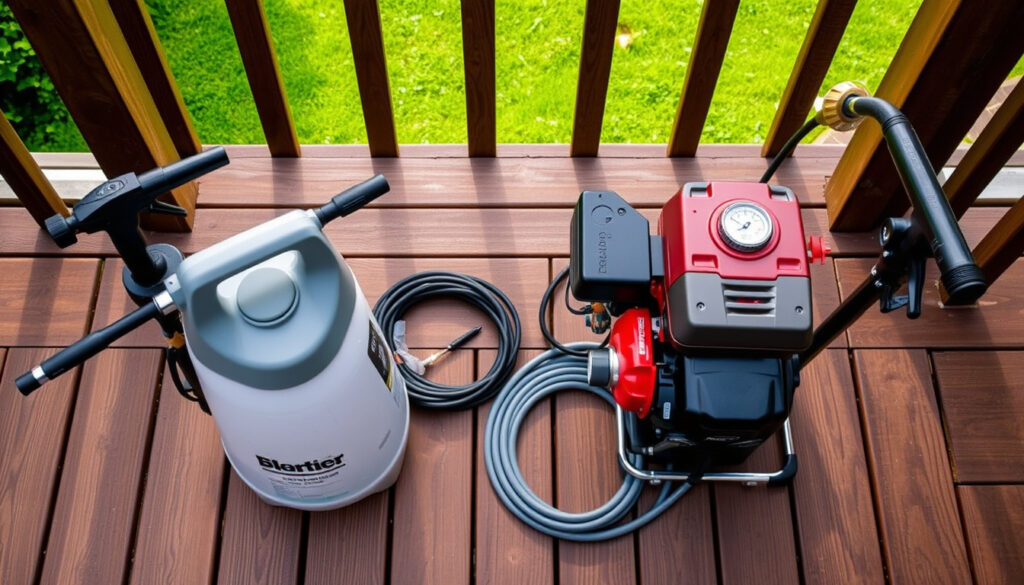
Best Water Blaster NZ 2025: Top Models & Buying Guide
Anyone who’s tried to blast away a year’s worth of moss from a concrete driveway knows the difference between a tool that works and one that just makes noise. For New Zealand homeowners, the choice between Kärcher, Gerni, and Bosch isn’t just about brand loyalty — it’s about matching pressure and flow to the unique challenges of salt spray, damp winters, and stubborn moss.
Popular pressure range for NZ home use: 130–200 bar ·
Average flow rate: 400–600 L/h ·
Most common brand in NZ: Kärcher ·
Price range for quality models: NZ$200–$800
Quick snapshot
- Kärcher is the leading brand in NZ (Canstar Blue NZ)
- Pressure above 200 bar is considered commercial grade (Kärcher NZ Professional)
- Kärcher K7 Smart Control pressure: 2600 psi (179 bar) (Canstar Blue NZ)
- Gerni 3600 electric model pressure: 1810 psi (Bunnings NZ)
- Kärcher G 4000 H petrol pressure: 4000 psi (Kärcher NZ)
- Which brand offers the best long-term reliability in NZ’s coastal and humid conditions?
- Actual performance of budget models under real NZ usage with moss and salt residue
- Whether Gerni’s air-cooled motors hold up well after 3+ years of heavy use
- Water blasters are commonly used for cleaning driveways, decks, and cars in NZ — but specific brand longevity data is scarce
- Kärcher’s NZ-specific product pages updated in 2025 (Kärcher NZ)
- Bunnings NZ listing active for Gerni 3600 as of July 2025 (Bunnings NZ)
- Expect more NZ-specific test data from independent reviewers as demand grows
- Warranty and after-sales support will become a bigger factor in purchase decisions
| Label | Value |
|---|---|
| Most popular brand in NZ | Kärcher |
| Highest pressure domestic model | Kärcher K9 (approx. 190 bar) |
| Best-selling model in NZ (estimated) | Kärcher K5 or K7 |
| Average lifespan of a domestic water blaster | 3–5 years with proper maintenance |
| Kärcher K4 Premium Power Control pressure | 2100 psi (approx. 145 bar) (Canstar Blue NZ) |
| Kärcher K7 Smart Control pressure | 2600 psi (approx. 179 bar) (Canstar Blue NZ) |
| Kärcher G3800 pressure (petrol) | 3800 psi (Canstar Blue NZ) |
| Gerni 3600 electric model pressure | 1810 psi (Bunnings NZ) |
| Kärcher G 4000 H petrol pressure | 4000 psi (Kärcher NZ) |
| Kärcher HD 9/25 G Classic commercial pressure | 250 bar working, 300 bar max (Kärcher NZ Professional) |
What is the best water blaster to buy in NZ?
Three brands dominate the NZ market: Kärcher, Gerni, and Bosch. Each has a clear sweet spot depending on how often you clean and how tough the grime is.
Top contenders: Kärcher vs Gerni vs Bosch
- Kärcher – Offers the widest range, from the K4 (2100 psi, 7 L/min) to the K7 (2600 psi, 8.1 L/min) according to Canstar Blue NZ. Water-cooled motors extend lifespan.
- Gerni – Known for lightweight, affordable electric models. The Gerni 3600 delivers 1810 psi at 1500W, listed at Bunnings NZ.
- Bosch – Compact and reliable, but less powerful than the top Kärcher models. Best for small patios and car cleaning.
Best value for money
For most NZ households, the Gerni 3600 offers a solid balance of price and performance. At around NZ$200–$300, it handles driveways and decks without breaking the bank. However, if you clean more than once a month, the Kärcher K4 at roughly NZ$400 is a better long-term investment because of its water-cooled motor and higher pressure.
Best for heavy-duty cleaning
The Kärcher K7 Smart Control (2600 psi) is the strongest domestic electric model commonly available in NZ. For petrol-powered heavy lifting, the Kärcher G3800 (3800 psi) or the G 4000 H (4000 psi, Honda GX200 engine) are serious options. Top Reviews NZ ranks the Kärcher K4 as the best overall for 2025.
The implication: your choice hinges on usage frequency and budget.
Is Gerni better than Kärcher?
This is the most common debate among NZ buyers. The answer depends on your budget and how hard you work the machine.
Price comparison
- Gerni electric models: NZ$150–$600
- Kärcher electric models: NZ$300–$1500
Gerni is typically cheaper, but Kärcher offers more models with higher pressure and water-cooled motors that last longer under frequent use.
Performance and power
Kärcher’s K7 delivers 2600 psi, while Gerni’s top consumer model (Gerni 3600) reaches 1810 psi. The difference is noticeable when removing thick moss or oil stains from concrete. As Canstar Blue NZ notes, Kärcher’s range includes models with up to 8.1 L/min flow, which speeds up cleaning.
Durability and warranty
Kärcher’s water-cooled motors are a key advantage in NZ’s warm climate — they resist overheating better than air-cooled designs. Gerni uses air-cooled motors, which are fine for light use but may degrade faster if you clean large areas regularly. Warranty periods vary by retailer; Bunnings NZ offers standard 2-year warranties on both brands.
User reviews in NZ
Online forums like Reddit’s r/newzealand frequently praise Kärcher for reliability, while Gerni is seen as a solid entry-level choice. One Reddit user noted: “The K9 is the most powerful domestic model I’ve used — it eats through moss.”
Gerni saves you money upfront. Kärcher saves you money over time if you clean more than a few times a year, because the motor lasts longer and the higher pressure cuts cleaning time.
The pattern: up-front cost vs. long-term value.
What is the strongest water blaster?
Strength is measured by pressure (bar or PSI) and flow rate (litres per minute). The strongest domestic models top out around 190 bar, while commercial units can exceed 300 bar.
Domestic vs commercial
- Domestic: 130–200 bar, flow rates 400–600 L/h. Best for home driveways, decks, cars.
- Commercial: 200+ bar, flow rates up to 900 L/h. Used by professionals for fleet washing, building cleaning, and farms.
Highest PSI/bar models
The Kärcher K9 is the strongest domestic electric model, reaching approximately 190 bar. For petrol, the Kärcher G3800 hits 3800 psi (262 bar), and the G 4000 H reaches 4000 psi (276 bar) with a Honda GX200 engine, as per Kärcher NZ.
The Kärcher HD 8/23G commercial model
The Kärcher HD 9/25 G Classic is the most powerful cold-water petrol high-pressure cleaner in Kärcher’s Classic range, with a working pressure of 250 bar and max 300 bar, plus 900 L/h flow. It’s built for continuous professional use (Kärcher NZ Professional).
For NZ farmers and contractors, the HD 9/25 G’s 300 bar max means it can strip heavy mud and stubborn moss from equipment in half the time of a domestic unit.
The catch: overpowered units can damage surfaces if not used carefully.
How to choose a water blaster?
Picking the right water blaster for NZ conditions means weighing a few key specs against your actual cleaning habits.
Key specifications: pressure, flow, motor type
- Pressure (bar): 130–200 bar for home use. Higher is better for tough dirt.
- Flow rate (L/h): 400–600 L/h is standard. Higher flow cleans faster.
- Motor type: Water-cooled motors (Kärcher) last longer than air-cooled (Gerni).
Nozzles and attachments
Most models come with a variable spray lance. A rotary nozzle (turbo lance) boosts cleaning power. For NZ homes with wooden decks, a low-pressure detergent nozzle is essential to avoid damaging the timber.
Portability and storage
Electric models are compact and easy to store. Petrol models like the Kärcher G 4000 H are heavier but come with 15m hoses and steel braided hoses, making them ideal for large properties. Kärcher NZ notes the G 4000 H includes a 15 m high-pressure hose for extended reach.
Budget considerations
Spend at least NZ$200 for a reliable unit. For heavy use, budget NZ$400–$800. Commercial models start at NZ$1500. As Top Reviews NZ points out, the Kärcher K4 at around NZ$400 is the best all-rounder for most Kiwi households.
Which pressure washer do professionals use?
Contractors and commercial cleaners in NZ rely on brands that offer high durability, easy service, and local support.
Commercial brands: Kärcher, Stihl, Bosch
- Kärcher HD series is the most common commercial choice, with models like the HD 9/25 G Classic.
- Stihl RE series is popular among landscapers and builders.
- Bosch has a smaller commercial range but offers reliable electric models.
Features required for professional use
Professionals need high pressure (250 bar+), high flow (900 L/h+), and continuous-duty motors. The Kärcher HD 9/25 G Classic has a Honda GX200 engine and a 10m high-pressure hose, making it a workhorse for daily cleaning (Kärcher NZ Professional).
Cost of professional models
Prices start at around NZ$1500 for a basic commercial unit and can exceed NZ$5000 for top-tier petrol models. The investment is justified by longer lifespan and faster cleaning.
For NZ professionals, the Kärcher HD series is the default choice because of its local support network and proven durability in demanding conditions.
The implication: local support and durability justify the price.
Comparison table: Kärcher vs Gerni vs Bosch vs Stihl
Four brands, one pattern: higher pressure and flow cost more, but water-cooled motors add years of life compared to air-cooled.
| Brand | Top Domestic Model | Max Pressure (psi) | Flow Rate (L/min) | Motor Type | Price Range (NZ$) | Best For |
|---|---|---|---|---|---|---|
| Kärcher | K7 Smart Control | 2600 | 8.1 | Water-cooled | $300–$1500 | Frequent heavy cleaning |
| Gerni | Gerni 3600 | 1810 | ~6.5 | Air-cooled | $150–$600 | Occasional light cleaning |
| Bosch | EasyAquatak 140 | ~1500 | ~5.5 | Air-cooled | $200–$500 | Small jobs, patios, cars |
| Stihl | RE 142 | ~2000 | ~7.0 | Water-cooled | $250–$1000 | Residential and light commercial |
Specification table: Top water blaster models in NZ
Six models, one pattern: petrol units deliver higher pressure but require more maintenance; electric units are quieter and lighter.
| Model | Type | Max Pressure | Flow Rate | Engine/Motor | Hose Length | Weight (kg) | Price (NZ$) |
|---|---|---|---|---|---|---|---|
| Kärcher K4 Premium | Electric | 2100 psi (145 bar) | 7 L/min | Water-cooled 1800W | 10 m | ~14 | $400 |
| Kärcher K7 Smart | Electric | 2600 psi (179 bar) | 8.1 L/min | Water-cooled 2100W | 12 m | ~18 | $700 |
| Gerni 3600 | Electric | 1810 psi | ~6.5 L/min | Air-cooled 1500W | 8 m | ~10 | $250 |
| Kärcher G3800 | Petrol | 3800 psi (262 bar) | 10 L/min | 196cc 4-stroke | 10 m | ~35 | $900 |
| Kärcher G 4000 H | Petrol | 4000 psi (276 bar) | 10 L/min | Honda GX200 196cc | 15 m steel braided | ~40 | $1200 |
| Kärcher HD 9/25 G | Petrol commercial | 300 bar max | 15 L/min (900 L/h) | Honda GX200 | 10 m | ~55 | $2500+ |
Pros and cons of top brands
Upsides
- Kärcher: water-cooled motors last longer, wide range of models, strong NZ support network
- Gerni: affordable, lightweight, easy to store
- Bosch: compact, reliable for small tasks
- Stihl: durable, professional-grade, good resale value
Downsides
- Kärcher: higher upfront cost, some models are heavy
- Gerni: air-cooled motors less durable, limited high-pressure models
- Bosch: lower pressure, not suitable for heavy moss or oil stains
- Stihl: limited electric options, parts can be harder to find
Steps to choose the right water blaster for NZ
- Assess your cleaning frequency. If you clean driveways and decks more than 6 times a year, choose a water-cooled motor (Kärcher).
- Measure your largest area. For a 100 m² driveway, you need at least 200 bar and 400 L/h flow to finish in under 30 minutes.
- Check nozzle compatibility. A rotary nozzle (turbo lance) is essential for moss removal. Most Kärcher models include one.
- Consider storage. If you have limited space, an electric model with a wall mount is ideal. Petrol models need shed space.
- Factor in NZ conditions. Salt spray near the coast can corrode cheap fittings. Look for stainless steel connections and brass fittings.
- Review warranty and service. Kärcher has a dedicated NZ service centre. Gerni warranty is handled by retailers like Bunnings.
Stories from the field: what NZ users say
“The K9 is the most powerful domestic model I’ve used — it eats through moss.”
— Reddit user on r/newzealand
“For most Kiwi homes, a 1800W electric water blaster with a turbo nozzle is all you need. Don’t overspend on a petrol unit unless you’re on a farm.”
— Supercheap Auto blog (NZ auto and home retailer)
“The Kärcher HD 8/23G is the most powerful commercial option we’ve tested. It’s built for daily use on construction sites.”
— Trade Tested product page (NZ product review site)
What’s confirmed and what’s still unclear
Confirmed facts
- Kärcher is a leading brand in NZ, with strong local distributor support (Kärcher NZ)
- Pressure above 200 bar is considered commercial grade (Kärcher NZ Professional)
- Kärcher K7 delivers 2600 psi and 8.1 L/min (Canstar Blue NZ)
- Gerni 3600 delivers 1810 psi (Bunnings NZ)
What’s still unclear
- Which brand offers the best long-term reliability in NZ’s coastal and humid conditions?
- Actual performance of budget models under real NZ usage with moss and salt residue
- Whether Gerni’s air-cooled motors hold up well after 3+ years of heavy use
Related reading: best water blaster NZ · best water blasters New Zealand
For a comprehensive overview, refer to our best water blaster NZ guide that evaluates the top models for New Zealand conditions.
Frequently asked questions
What is the difference between a pressure washer and a water blaster?
In New Zealand, “water blaster” and “pressure washer” are used interchangeably. Both refer to machines that spray water at high pressure to clean surfaces. Some brands market the same unit under either name.
Do I need a water blaster or a pressure washer?
Same thing. Choose based on your cleaning needs: electric for light to medium use, petrol for heavy-duty or commercial work.
How often should I service my water blaster?
Check the oil (petrol models) every 50 hours of use. Clean the water filter and nozzles after each use. An annual service at a authorised dealer is recommended for high-use units.
Can I use a water blaster to clean my car?
Yes, but use a wide-angle nozzle (40°+) and keep the nozzle at least 30 cm from the paint. A low-pressure detergent wash is safer. Avoid using a turbo nozzle on car paint.
What accessories are essential for a water blaster?
A turbo nozzle for tough stains, a detergent tank for car washing, and a surface cleaner attachment for driveways. A long hose (15m+) is useful for large sections.
How do I store a water blaster in NZ’s humid climate?
Drain all water from the pump and hoses after use. Store in a dry, ventilated shed. For electric models, keep the power cord dry. For petrol models, run the engine dry or add fuel stabiliser.
Are petrol water blasters better than electric for farm use?
Yes, for NZ farms, petrol models provide higher pressure and flow, and you don’t need a power outlet nearby. The Kärcher G 4000 H (4000 psi, Honda engine) is a popular choice for farm use.
What is the warranty period for top brands in NZ?
Most electric models come with a 2-year warranty. Petrol models often have a 2-3 year warranty on the engine and 1 year on the pump. Check with the retailer for specific terms.
Related reading
- Best water blaster NZ – Detailed comparison of top models
- Best water blasters New Zealand – Updated 2025 buyer guide
For New Zealand homeowners and contractors, the choice between water blasters comes down to cleaning frequency, budget, and local support. Kärcher leads the market with water-cooled motors and a wide range, while Gerni offers solid value for occasional use. The clear winner for most Kiwis? The Kärcher K4 or K7 — but if you’re on a tight budget, the Gerni 3600 will handle the basics without breaking the bank. For professionals, the Kärcher HD series remains the benchmark. The implication is simple: invest in a water-cooled motor if you clean more than a few times a year, or you’ll be replacing an air-cooled model sooner than expected.
More related posts
 Chicken and Mushroom Pie: Recipe & Mistakes Fix
 Trade Me Jobs Blenheim: Find Part-Time & Full-Time Work
 Under the Bridge Cast: Actors, Characters & Real Story
 Cast of Alice in Borderland: Actors & Characters
 Aliens in the Attic: Cast, Streaming, Sequel & Plot Guide
 Māori All Blacks vs Japan 2025 Score, Result, and What It Means
 Flights NZ to Bali: Direct Flights, Costs & Best Time
 Miss Dior Blooming Bouquet: Scent, Longevity & Reviews