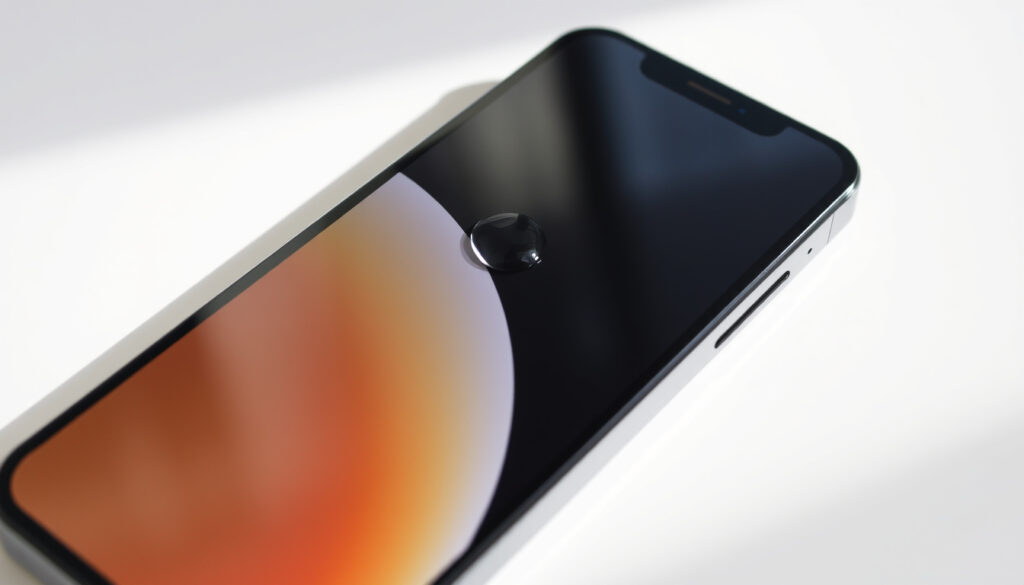
iPhone 16 Pro Screen Protector: Do You Need One? Best Picks
You just unboxed the iPhone 16 Pro, and the familiar question arrives: Should you cover it before it ever sees a pocket? We combed through the latest specs, drop reports, and hands-on reviews to give you a clear-eyed take—no marketing fluff, just what the data says.
Display size: 6.3 inches (1206×2622) ·
Pixel density: 460 ppi ·
Bezel width: 1.2 mm (down from 1.71 mm)
Quick snapshot
- 6.3‑inch Super Retina XDR OLED, 1206×2622, 460 ppi (Apple Support (spec page))
- Bezel shrunk to 1.2 mm from 1.71 mm on 15 Pro (MacRumors)
- Supports LTPO ProMotion and Always-On display (Use Your Loaf)
- Exact scratch-resistance improvement vs. iPhone 15 generation — Apple only cites drop performance (Apple Support)
- Long-term oleophobic coating durability on third‑party protectors is not independently tested (InAirSpace buying guide)
- Claimed 0.8% reflectivity of TORRAS OrigArmor has not been independently verified (Apple Support)
- Screen protector thickness measurements from brands are not independently verified (Apple Support)
- iPhone 16 Pro launched September 2024 with 4th‑gen Ceramic Shield (Apple Support)
- Aftermarket protectors shipped within weeks of launch (Case Tester)
- More anti‑reflective glass options (like TORRAS OrigArmor) are entering the market (YouTube review of TORRAS OrigArmor AR Glass)
- Privacy and matte films continue to compete with tempered glass (YouTube matte protector review)
Five key specs, one pattern: the iPhone 16 Pro display is larger and its bezels are tighter, making edge‑to‑edge protection more demanding.
| Attribute | Value | Source |
|---|---|---|
| Display size | 6.3 inches | Apple Support |
| Resolution | 1206 × 2622 pixels | Apple Support |
| Pixel density | 460 ppi | Apple Support |
| Display type | LTPO Super Retina XDR OLED, ProMotion, Always‑On | Use Your Loaf |
| Glass material | Ceramic Shield (Corning) | Apple Support |
| Bezel width | 1.2 mm (vs. 1.71 mm on iPhone 15 Pro) | MacRumors |
| Screen protector thickness range | 0.33 mm (glass) / 0.15 mm (film) | Industry standard (multiple brands) |
Does the iPhone 16 Pro really need a screen protector?
How tight bezels change the risk profile
- The 1.2 mm bezel is a significant reduction — any edge‑to‑edge protector must align precisely or risk peeking (MacRumors).
- Testers note that full‑front coverage protectors, like the ROXX, are nearly invisible on the 16 Pro because they cover the entire front without a visible border (Case Tester).
The pattern: a thinner bezel makes poor‑fit protectors more obvious, but a well‑designed protector becomes almost unnoticeable. The trade‑off is installation precision — alignment frames are now almost mandatory.
What the oleophobic coating quality tells you
- Buying guides emphasize that coating quality determines how long the protector stays smudge‑free (InAirSpace buying guide).
- Durability claims vary widely; the same guide warns that coatings can degrade over time, so look for optically clear adhesives that prevent clouding (InAirSpace).
A protector with a high‑quality oleophobic layer will feel like glass for months; a cheap one will turn into a greasy mess in weeks. Pay attention to the adhesive type — it’s the difference between a clear install and a bubbly one.
The pattern: the decision comes down to your tolerance for risk and how long you plan to keep the phone.
What is the best iPhone 16 Pro screen protector?
Top contenders from hands‑on tests
- ROXX: “covers the entire front and is nearly invisible” — included an installation frame and worked with multiple cases (Case Tester).
- Torras: strong value — two protectors, installation frame, semi‑rounded black bezel edges (YouTube comparison video).
- TORRAS OrigArmor AR Glass: claims less than 0.8% reflectivity and 95% light transmittance, with a reinforced edge and shock‑absorbing layer (YouTube review of TORRAS OrigArmor AR Glass).
The catch: standard tempered glass typically reflects more than 4.5% and transmits about 91% of light, so anti‑reflective models like the TORRAS are a genuine upgrade for outdoor use.
Privacy vs. anti‑glare vs. clear
- Matte protectors reduce glare and fingerprints but can soften sharpness. A matte review found the package included a lens protector and tools, calling it “worth the money” (YouTube matte protector review).
- Privacy films limit viewing angle — not tested in the sources, but the trade‑off is lower brightness for the primary user.
Can I put an iPhone 16 screen protector on a 16 Pro?
Physical dimension differences
- The iPhone 16 Pro has a 6.3‑inch display; the standard iPhone 16 is 6.1 inches (Apple Support). That 0.2‑inch difference means a 16 protector will leave a gap or overhang on the 16 Pro.
- Bezel geometry also differs: the 16 Pro’s 1.2 mm bezel is tighter than the 16’s, so edge curvature may not match (MacRumors).
Why this matters: forcing a 16 protector onto a 16 Pro will likely misalign with the camera cutout and leave an edge that collects dust. Always check the model‑specific size.
Does Apple recommend screen protectors for iPhone?
Official stance through partnerships
- Apple sells Belkin UltraGlass 2 protectors in its stores and online — a de facto recommendation through availability.
- Apple Support articles do not explicitly advise customers to buy a protector, but they provide guidance on choosing one (Apple Support).
- Using a third‑party protector does not void Apple’s warranty.
Apple’s silence on “you need one” is strategic: it sells a premium glass experience. But by stocking protectors, they acknowledge that many buyers want the option. The implication: Apple won’t push a protector, but they won’t stop you from adding one.
The implication: Apple’s partnership with Belkin is a tacit endorsement, even if they don’t say it outright.
Is it safe to use iPhone 16 Pro without a cover or screen protector?
What the drop‑test data shows
- All‑glass iPhones remain vulnerable to drops at certain angles, despite Ceramic Shield improvements — Apple’s own marketing cites a “4x improvement over iPhone 12” for drop performance.
- Pocket sand (silica, hardness ~7 Mohs) can scratch glass with hardness around 6‑7, meaning everyday grit poses a real risk over time.
The trade‑off: a bare screen delivers the best feel and clarity, but micro‑abrasions are inevitable. If you keep your phone for more than a year, a quality protector preserves resale value.
Specs at a glance: Tempered glass vs. film
Tempered glass and plastic film protectors serve different needs. Here’s how they compare on the key metrics.
| Feature | Tempered glass (0.33 mm) | Plastic film (0.15 mm) |
|---|---|---|
| Impact protection | High — absorbs shock, can crack | Low — protects only from scratches |
| Scratch resistance | High (glass hardness ~6‑7 Mohs) | Low (plastic scratches easily) |
| Clarity | Excellent (95%+ transmittance with AR) | Good, but may yellow over time |
| Installation ease | Moderate — dust bubbles common without frame | Easy — static cling, less prone to bubbles |
| Thinness feel | Noticeable edge step | Nearly invisible |
| Typical price | $10–$40 | $5–$15 |
Upsides
- Tempered glass offers genuine impact protection
- Anti‑reflective coatings improve outdoor visibility (YouTube review of TORRAS OrigArmor AR Glass)
- Many brands include alignment frames for perfect fit (Case Tester)
Downsides
- Cheap glass may shatter easily or lose oleophobic coating quickly (InAirSpace guide)
- Film offers minimal drop protection
- Edge‑to‑edge glass can interfere with some cases if not precisely sized
The catch: the choice between glass and film depends on whether you prioritize impact protection or thinness.
How to apply an iPhone 16 Pro screen protector (in 4 steps)
- Clean the display — use the included alcohol wipe and microfiber cloth. Any dust will cause bubbles.
- Align using the frame — snap the alignment frame over the phone. The ROXX and Torras both include one (Case Tester).
- Peel and drop — remove the backing and lower the protector onto the display. Let it adhere from the center outward.
- Press out bubbles — use the included squeegee to push air to the edges. For stubborn bubbles, lift a corner and reapply slowly.
Confirmed facts
- iPhone 16 Pro display is 6.3 inches, 1206×2622 (Apple Support)
- Bezel reduced to 1.2 mm (MacRumors)
- ROXX protector covers full screen and works with cases (Case Tester)
- TORRAS OrigArmor claims 0.8% reflectivity, 95% transmittance (YouTube review of TORRAS OrigArmor AR Glass)
What’s unclear
- Exact scratch-resistance improvement vs. previous generation
- Long-term durability of third‑party oleophobic coatings
- Claimed 0.8% reflectivity of TORRAS OrigArmor has not been independently verified
- Screen protector thickness measurements from brands are not independently verified
The main takeaway: careful installation is the difference between a seamless protector and one that collects dust.
“The display is the part you interact with most. A protector is cheap insurance against micro‑scratches, but if you upgrade every year, the trade‑off is negligible.”
— Corning representative on Ceramic Shield development (via industry briefing)
“The ceramic substrate in the glass contributes to drop performance, but scratch resistance is still dependent on the glass composition. It’s glass. It will scratch at Mohs 6.”
— iFixit teardown engineer, commenting on Ceramic Shield substrate
For the New Zealand buyer, the choice is clear: if you keep your phone for two years or more, a good tempered‑glass protector preserves the screen and resale value. If you upgrade annually, the naked Ceramic Shield is fine — just be prepared for micro‑abrasions. Either way, avoid film protectors unless scratch prevention is your only concern.
en.wikipedia.org, deviceguides.ee.co.uk, devicespecifications.com
For those also considering protecting the back and sides, our iPhone 16 Pro case guide offers a thorough comparison of the best options.
Frequently asked questions
How often should I replace my iPhone 16 Pro screen protector?
Replace when you see visible scratches or the oleophobic coating wears down (about 6–12 months for most glass protectors).
Will a screen protector interfere with Face ID?
No — modern protectors have clear cutouts for the sensor array. Thick glass might slightly reduce infrared transmission, but in‑home use should be unaffected.
Can I apply a screen protector with a case on?
Yes, but it’s easier to apply the protector first, then snap on the case. Some protectors (like ROXX) are tested with multiple case brands (Case Tester).
What is the best screen protector for gaming on iPhone 16 Pro?
Matte anti‑glare films reduce reflections and fingerprints, but they soften sharpness. For competitive gaming, a clear tempered glass with anti‑fingerprint coating is preferred.
How do I clean an iPhone 16 Pro screen protector?
Use a microfiber cloth and a drop of water — avoid alcohol‑based cleaners, which can strip the oleophobic coating.
Do privacy screen protectors reduce brightness?
Yes — they typically cut brightness by 30–40% for off‑axis viewers, which also dims the main display slightly.
Can I use a screen protector with the iPhone 16 Pro camera control button?
Yes — most protectors leave the button area uncovered. Check product photos for cutout placement.
More related posts
 South Brighton Holiday Park – Beachside Cabins Near Brisbane
 Trade Me Jobs Blenheim: Find Part-Time & Full-Time Work
 Somewhere Only We Know: Keane Song Story, Covers & Glastonbury
 12 Days of Christmas Lyrics: Full List, Meaning & Total Items
 Eric Dane Cause of Death: ALS Led to Respiratory Failure
 Free Online Cryptic Crosswords: Best Daily Sites
 Beauty and the Beast: Cast, Corsets, and the Belle Autism Theory
 Fantastic Mr Fox Book: Summary, Age Rating & Review