- Vehicle size and category directly impact base rental rates
- Seasonal demand creates substantial price variations throughout the year
- One-way rental fees apply when dropping off in a different city than pickup
- Insurance coverage options range from basic to comprehensive protection
- Additional driver fees increase costs if more than one person will operate the vehicle
- Distance allowances and excess mileage charges vary between providers
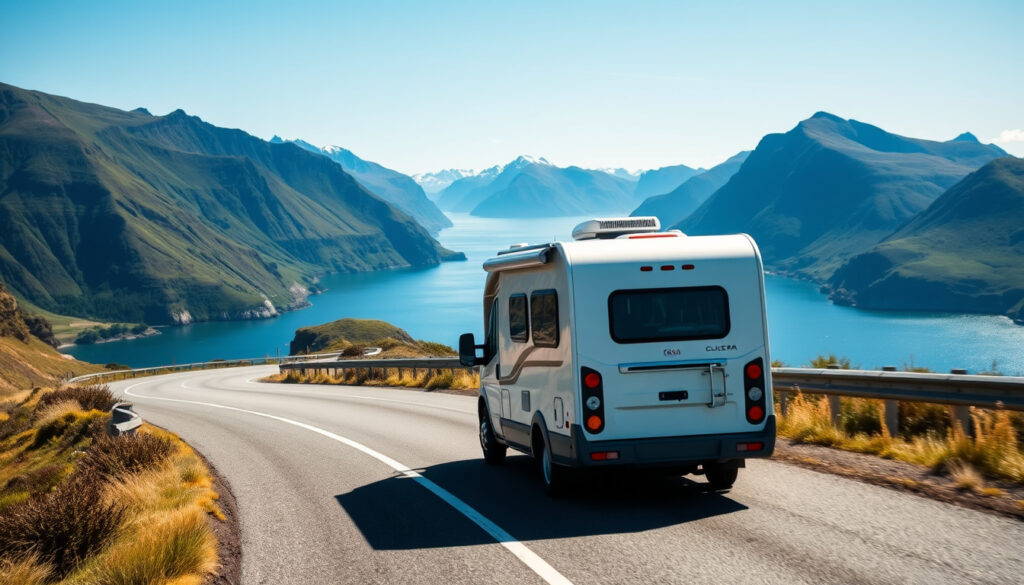
Motorhome Rental New Zealand – Essential Guide for Road Trips
New Zealand offers some of the world’s most breathtaking scenic drives, and renting a motorhome provides the freedom to explore at your own pace. Whether you’re planning to traverse the North Island’s volcanic landscapes or wind through the South Island’s alpine corridors, understanding the motorhome rental process can make the difference between a good holiday and an extraordinary one.
Why Choose a Motorhome for Your NZ Adventure
The appeal of motorhome travel in New Zealand lies in its flexibility. Unlike guided tours or fixed accommodation schedules, a rental motorhome allows you to change plans on the fly, chase good weather across regions, and discover hidden gems that lie beyond the tourist hotspots. The country’s well-maintained holiday park network means you’re never far from essential amenities, while the spectacular freedom camping spots offer opportunities to wake up alongside pristine lakes or beneath snow-capped mountains.
Before booking your vehicle, consider how your itinerary aligns with New Zealand’s seasons. Summer months from December through February offer the longest daylight hours and warmest temperatures, though this peak season also brings higher rental costs and busier campgrounds. Spring and autumn provide a pleasing balance of comfortable conditions, thinner crowds, and more competitive pricing.
Motorhome Categories and What to Expect
Rental companies in New Zealand typically categorize their vehicles into several tiers. The smallest options, often called campervans or minivans, provide basic sleeping and storage arrangements suitable for couples or solo travellers prioritising mobility over comfort. Moving up the range, 2-berth and 4-berth motorhomes offer dedicated sleeping areas, kitchen facilities, and bathroom amenities that transform the journey into a genuine home away from home.
Premium luxury motorhomes represent the top tier, featuring slide-out sections that expand living space, high-end appliances, and sometimes even outdoor entertainment systems. These vehicles command significantly higher daily rates but prove worthwhile for travellers seeking to combine adventure with comfort during extended New Zealand explorations.
Key Factors Influencing Rental Costs
Budget-conscious travellers should note that off-season rentals from March through May or September through November frequently offer substantial savings. Many companies also provide discounted weekly rates that make longer journeys more economical per day.
Comparing Rental Providers and Packages
| Provider Type | Typical Price Range | Best For |
|---|---|---|
| International Chains | $200-$450 per day | Consistent standards, multiple pickup locations |
| Local Specialists | $150-$350 per day | Local knowledge, flexible terms |
| Peer-to-Peer Platforms | $100-$300 per day | Unique vehicles, community feel |
| Broker Services | Varies | Price comparison across multiple providers |
Reading the fine print matters considerably when comparing quotes. Some providers include unlimited mileage in their base rate while others charge per kilometre after a threshold. Kitchen kits, bedding packages, and camping chairs might be optional add-ons rather than standard inclusions, affecting the true total cost of your rental.
Understanding Insurance and Liability
Motorhome insurance in New Zealand typically operates through a liability reduction model. Standard policies require an upfront security deposit or bond, which you pay if damage occurs during your rental. Full protection plans eliminate this liability entirely but add a daily premium to your rental cost.
Before purchasing additional coverage from rental companies, check whether your personal auto insurance or credit card provides any motorhome rental protection. Some policies offer valid coverage that could save you significant money, particularly for longer rentals where daily insurance premiums accumulate considerably.
Planning Your Route and Timeline
New Zealand’s geography creates distinct travel experiences between the two main islands. The North Island offers shorter driving distances between major attractions, making it suitable for trips of one to two weeks. Highlights include the geothermal wonders of Rotorua, the maritime charm of the Bay of Islands, and the capital city’s cultural offerings in Wellington.
The South Island rewards travellers with dramatic landscapes that demand more time to appreciate properly. A circuit from Christchurch through the Southern Alps, along the wild West Coast, down to Fiordland, and back through the wine regions of Central Otago represents a minimum two-week journey for most visitors. Those with three weeks or more can explore more leisurely, adding visits to the Abel Tasman coast or the Catlins region.
Practical Tips for First-Time Motorhome Travellers
Operating a motorhome in New Zealand differs from driving a standard passenger vehicle. The roads, particularly on the South Island, include narrow winding sections that require additional confidence and caution. Taking your time, using pull-over bays to let faster traffic pass, and avoiding unfamiliar roads after dark represents sensible practice.
Booking campgrounds ahead during the summer season proves essential, as popular holiday parks fill quickly. Department of Conservation campsites offer affordable options in stunning natural settings but should also be reserved in advance during peak periods. Freedom camping remains legal in many areas with proper self-contained vehicles, though respecting local bylaws and leaving sites pristine protects access for future travellers.
Weighing the True Value of Motorhome Travel
When calculating the actual cost of motorhome travel, consider the combined savings on accommodation and dining. A well-equipped vehicle means you can prepare meals rather than eating out for every meal, and you eliminate hotel expenses entirely. For families or groups, these savings often offset the rental cost entirely, making motorhome travel remarkably competitive with traditional holiday arrangements.
The intangible benefits prove equally significant. The ability to linger at a particularly beautiful beach, change course when weather threatens, or simply pull over whenever an interesting viewpoint appears transforms travel from a checklist activity into genuine discovery. Many experienced motorhome travellers report that their New Zealand road journeys became the most memorable experiences of their time in the country.
What Previous Renters Say
Experienced motorhome travellers consistently emphasise the importance of reading reviews from people who have used the same company you’re considering. Online forums and travel communities provide candid insights into how companies handle everything from vehicle breakdowns to damage disputes. First-time renters often wish they’d spoken with seasoned motorhome travellers before making their initial booking.
Seasoned visitors to New Zealand frequently recommend renting for longer than initially planned. Those who commit to three weeks or more consistently report greater satisfaction than those limiting their journey to one or two weeks. The country’s scale surprises many visitors, and the temptation to rush between destinations diminishes when you have adequate time to absorb each location properly.
Making the Most of Your New Zealand Motorhome Journey
Motorhome rental in New Zealand opens doors to experiences that simply aren’t possible with other forms of travel. The combination of world-class scenic drives, excellent vehicle availability, and welcoming infrastructure creates an accessible adventure for travellers of all experience levels. Whether you’re planning a romantic escape for two or a family adventure spanning several weeks, the freedom of the open road offers rewards that justify every planning effort.
Start your journey by defining realistic daily driving distances, researching seasonal conditions along your planned route, and comparing packages from multiple providers. Once on the road, remain flexible with your plans, embrace unexpected discoveries, and take time each evening to appreciate where you’ll be waking up tomorrow. New Zealand’s landscapes reward those who approach them unhurriedly, and few travel styles suit this philosophy better than motorhome exploration.
Frequently Asked Questions
What driving licence do I need to rent a motorhome in New Zealand?
A current full driver’s licence from your home country is typically sufficient. International travellers should carry an English translation if their licence uses non-standard characters. Most rental companies require drivers to be at least 21 years old, though some premium vehicle providers set minimum ages of 25.
Can I pick up a motorhome in one city and return it to another?
Yes, one-way rentals are available between most major centres. These typically incur an additional drop-off fee that varies based on distance between locations. Christchurch to Queenstown represents a popular one-way route on the South Island.
Are pets allowed in rental motorhomes?
Pet policies vary significantly between companies. Some providers welcome pets with advance notice while others prohibit animals entirely due to allergies and cleaning requirements. Always confirm the policy before booking if you’re travelling with pets.
What happens if my motorhome breaks down?
Reputable rental companies provide 24-hour roadside assistance and replacement vehicles when breakdowns occur. Document any issues immediately and contact the emergency support number provided with your rental documentation. Keep receipts for any emergency expenses as you may be entitled to reimbursement.
Do I need to clean the motorhome before returning it?
Most rental agreements require vehicles to be returned in a clean condition, typically excluding normal usage dirt. External washing isn’t usually required, but emptying waste tanks, cleaning the kitchen area, and removing all personal belongings represents standard expectations.
More related posts
 IKEA PAX Wardrobe NZ: Planner, Prices & Best Combos
 iPhone 16 Pro Screen Protector: Do You Need One? Best Picks
 Harbour Bridge Closure Update: Live Status for Auckland and Sydney
 A and C Homestore – Status, History and UK Facts
 Flight Centre Palmerston North – Address, Hours, Phone & Services
 Partner Resident Visa NZ: Eligibility, Rules & Timeline
 NZ Herald News: History, Bias, and Comparisons
 Black Shoes for Women: Style, Comfort & Trends